Nature · Wellness
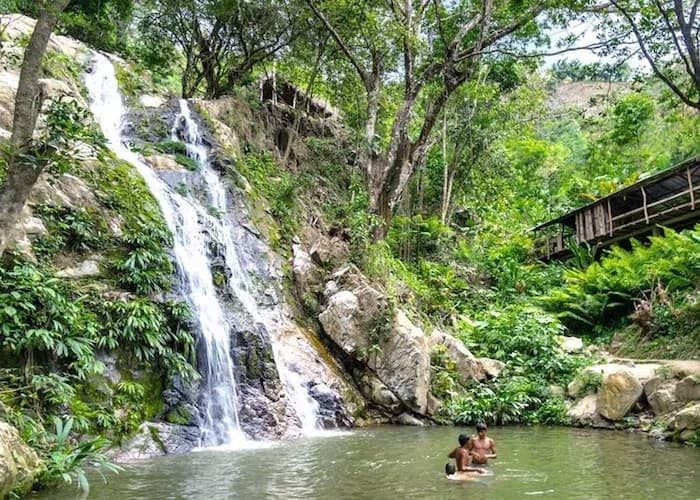
Minca day tour
The Sierra's coffee village: waterfalls, a coffee farm and bird and butterfly watching.
Full dayDifficulty: Moderate
Ask for rates
The gateway
The oldest surviving city in Colombia, with the Sierra Nevada at its back and the airport almost everyone arrives through.
Santa Marta was founded in 1525 and is the oldest city in Colombia to have survived without interruption. It sits wedged between the bay and the foothills of the Sierra Nevada, which gives it a postcard that is hard to repeat: mountain behind, sea in front.
For most travellers it is a transit point: the Simón Bolívar airport is here, and this is where buses leave for Tayrona Park, Palomino and La Guajira, and where the 4x4s depart for El Mamey and the Lost City trek. Most people arrive, sleep one night and move on.
It is worth giving it a few hours. The historic centre is walkable, with the cathedral, the squares and a nightlife concentrated around the Parque de los Novios. The Tayrona Gold Museum, in the old Customs House, is the best introduction there is to the culture whose remains you will see later in the Sierra: visit it before going up to the Lost City, not after.
And there is the Quinta de San Pedro Alejandrino, the estate where Simón Bolívar died in 1830, today a museum and botanical garden.
In the old Customs House, in the heart of the historic centre. It brings together goldwork, ceramics and objects of the Tayrona culture, and explains the link between that people and the Kogui, Wiwa and Arhuaco who live in the Sierra today. It is the context that makes the Lost City make sense.
The estate where Simón Bolívar died in 1830, preserved as a museum and surrounded by a botanical garden with enormous trees. It is the most visited historic site in the city.
Colonial streets, the cathedral, the Parque de los Novios and the seafront promenade along the bay. Walkable in an afternoon, and where the restaurants and nightlife are concentrated.
Tours to Minca, to Tayrona Park, the Sierra bike tour and the 4x4s to El Mamey for the Lost City trek all leave from Santa Marta. It is the logistical hub of the whole region.
One night on arrival or departure is usually enough. The city can be seen in an afternoon: the historic centre, the Tayrona Gold Museum and the Quinta de San Pedro Alejandrino. The rest of your time is far better spent in the Sierra or on the coast.
Along the Troncal del Caribe heading east. To La Jorará it is 75 km, one hour twenty minutes. There are frequent public buses along that road, and we arrange door-to-door private transfers if you would rather go straight there.
Nature · Wellness
The Sierra's coffee village: waterfalls, a coffee farm and bird and butterfly watching.
Nature · Culture · Active
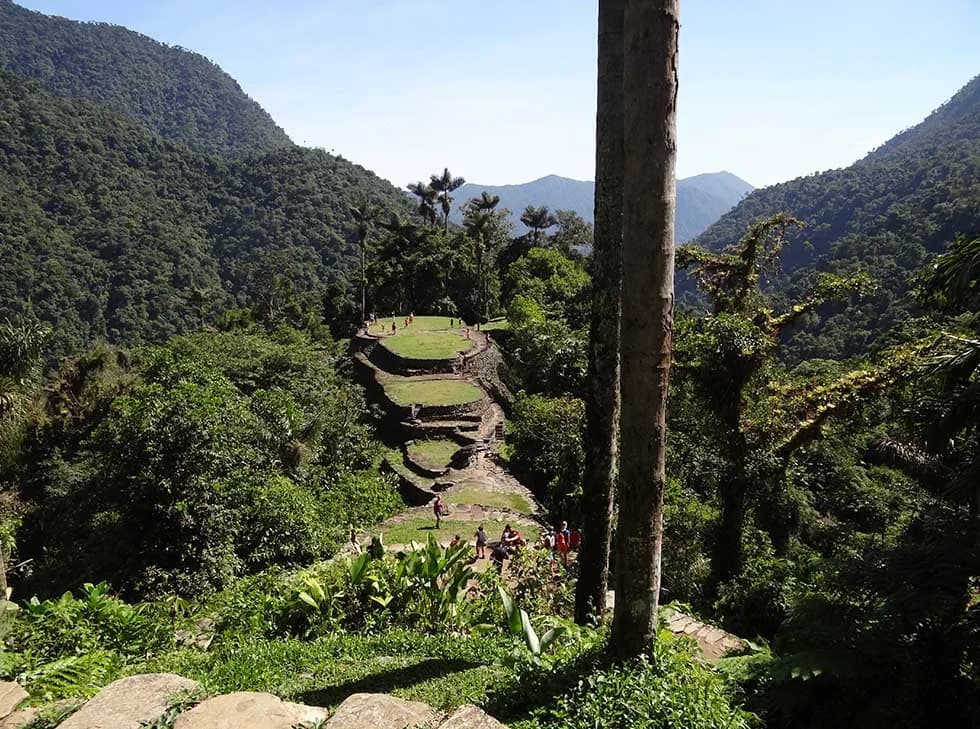
Four days of rainforest and 1,200 stone steps up to the Tayrona sacred city.
Active · Nature
Ride past rivers, beaches, waterfalls and villages between Tayrona and the Sierra.
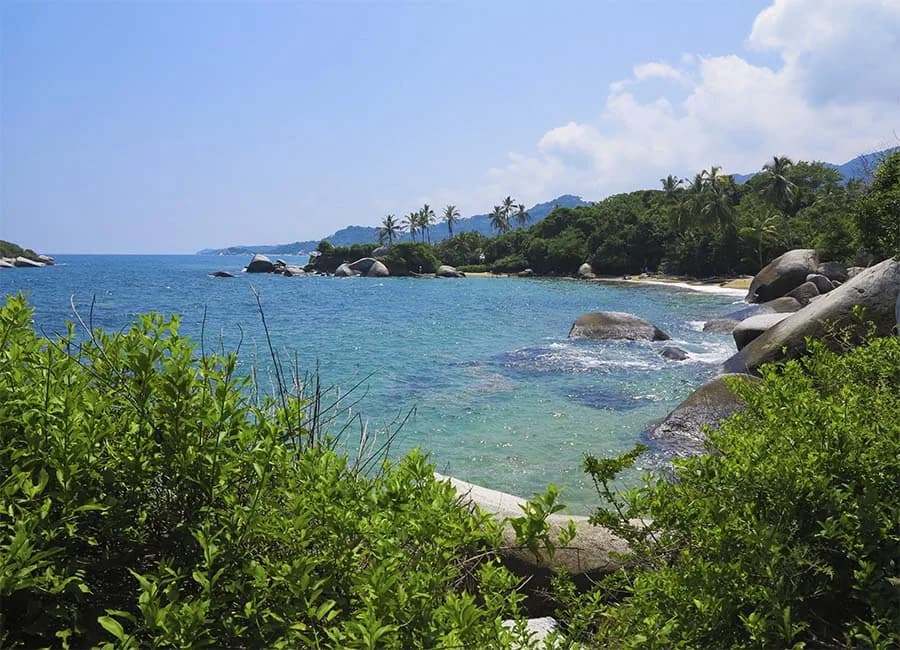
Nature · Culture
The classic Tayrona hike to the most famous beach on the Colombian Caribbean.
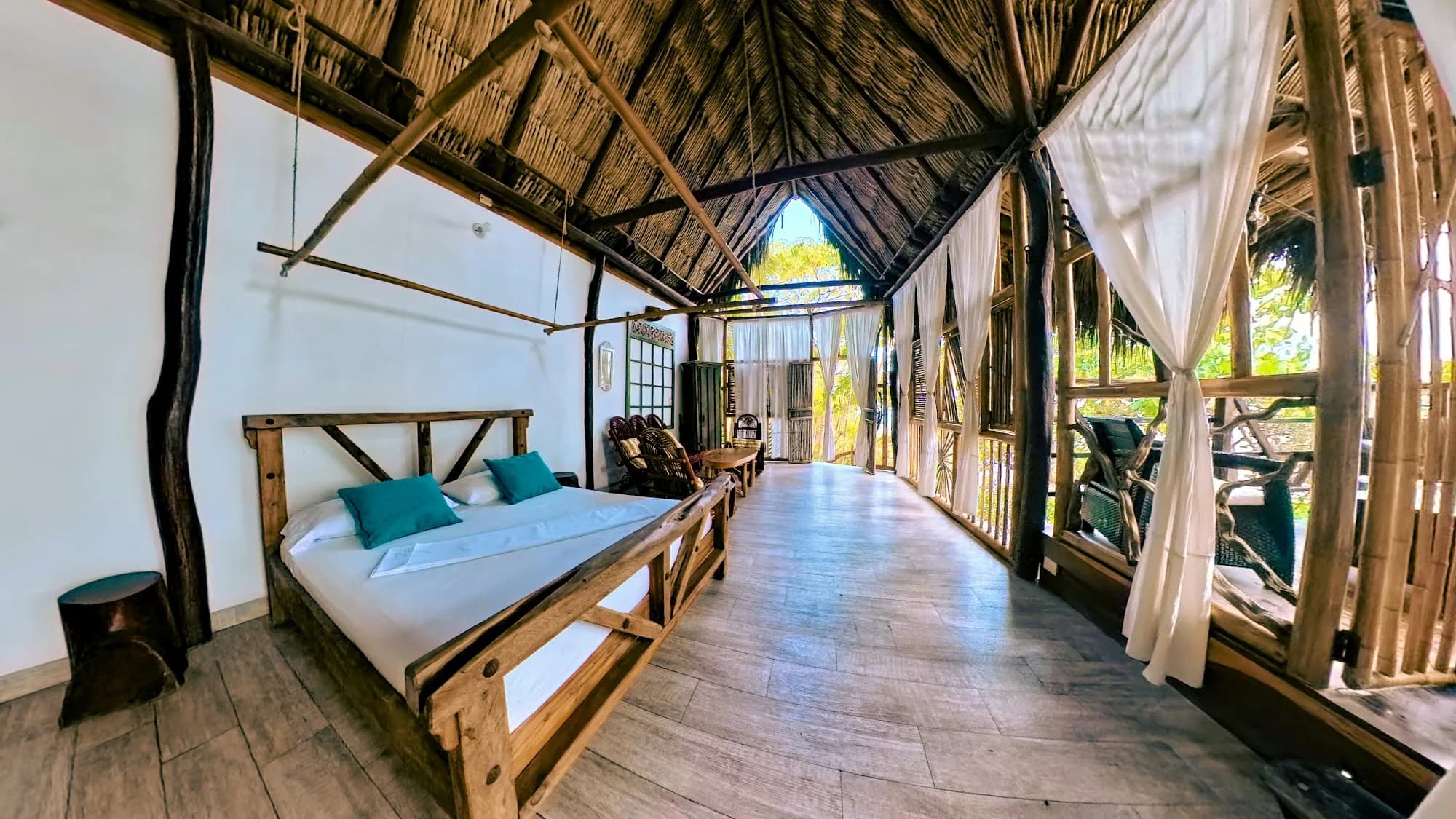
La Jorará Eco Hotel · Sierra Nevada de Santa Marta
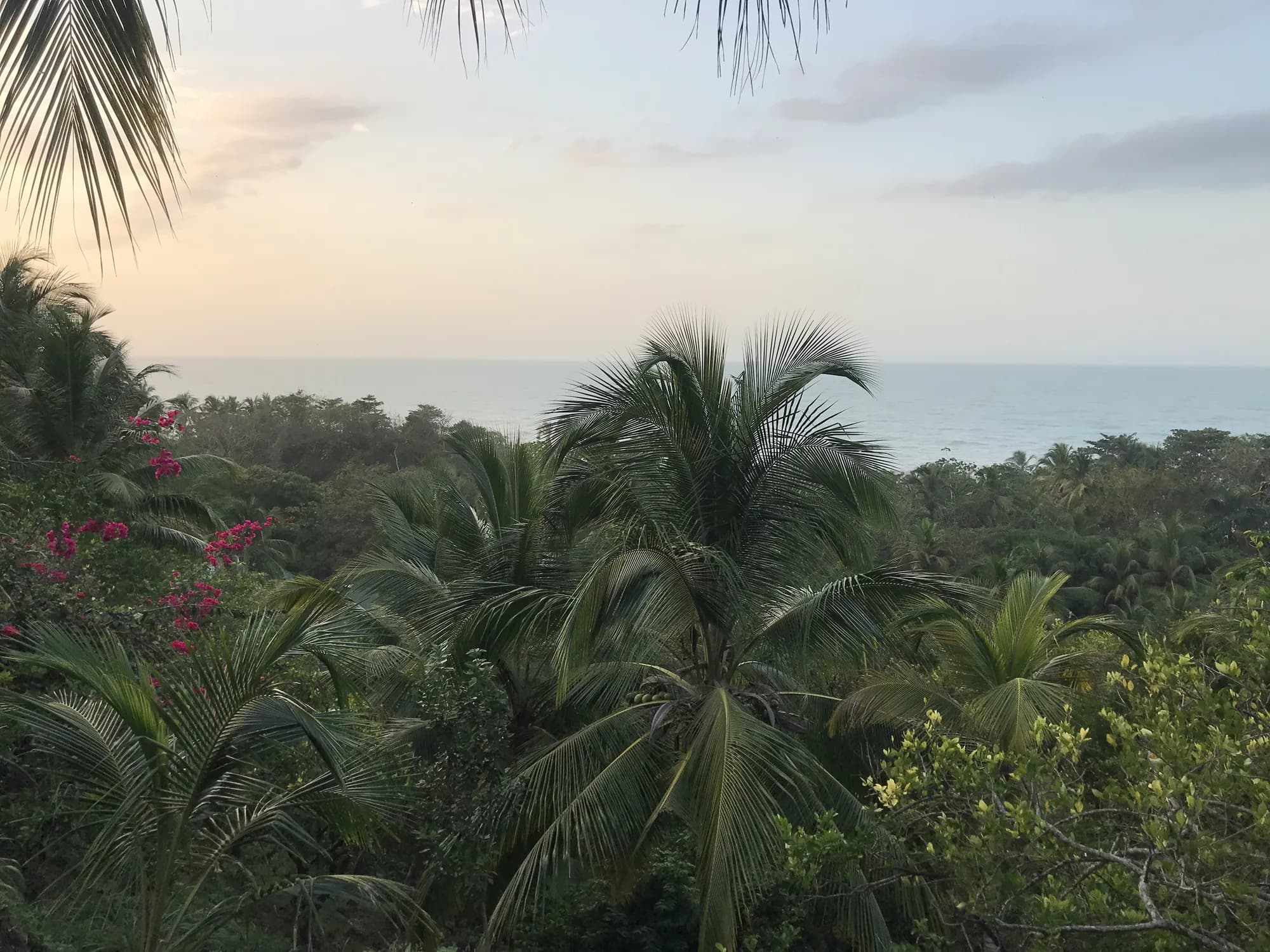
A cabin facing the Caribbean, with the sound of the sea in front and the Sierra Nevada behind.
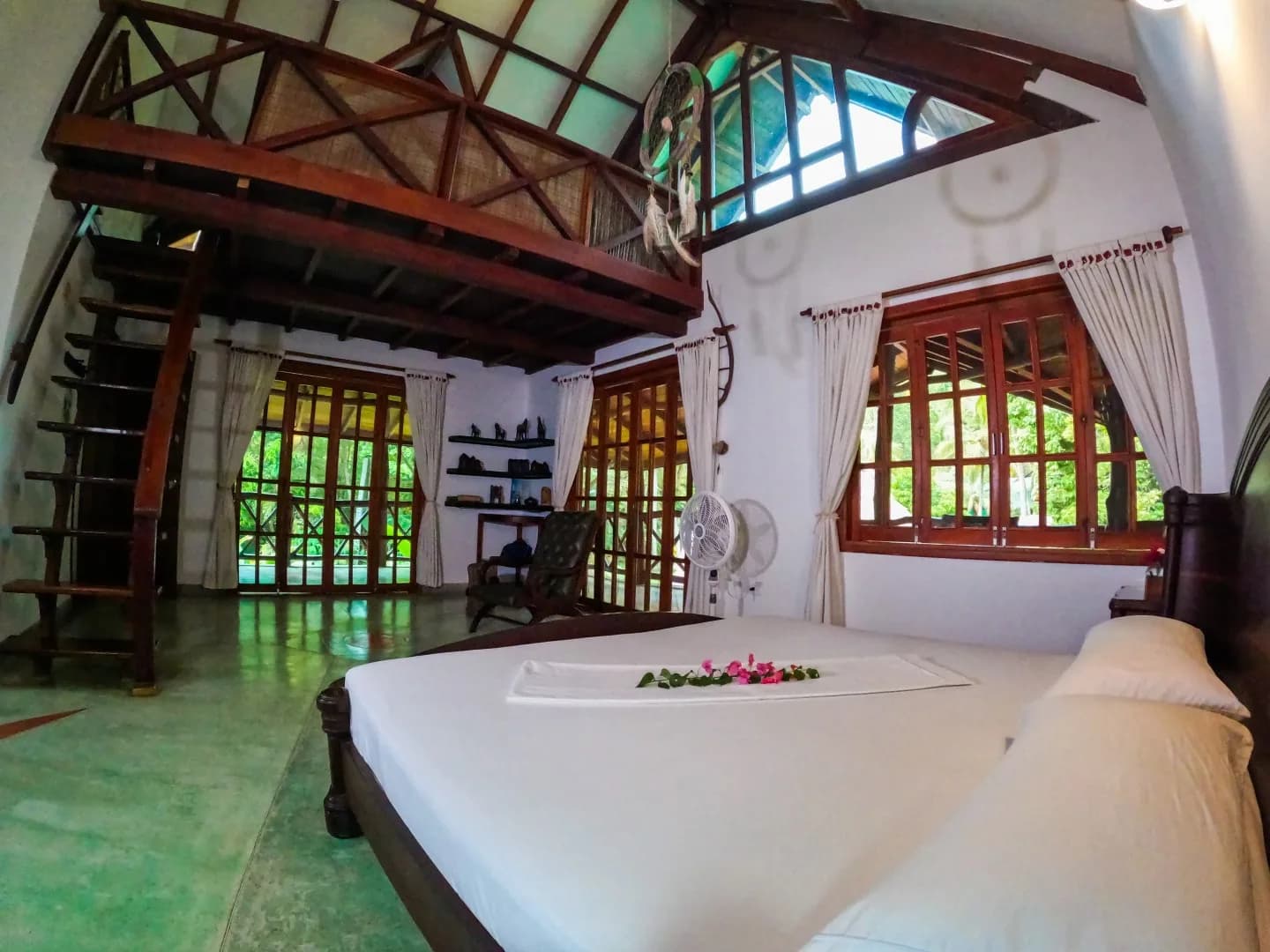
La Jorará Eco Hotel · Sierra Nevada de Santa Marta
A suite on the upper floor of Casa Verde, La Jorará's main house.
Mountain coffee village
Forty-five minutes from Santa Marta and 600 metres higher: coffee, cold-water falls, endemic birds and the cool air the coast does not have.
2 experiences here
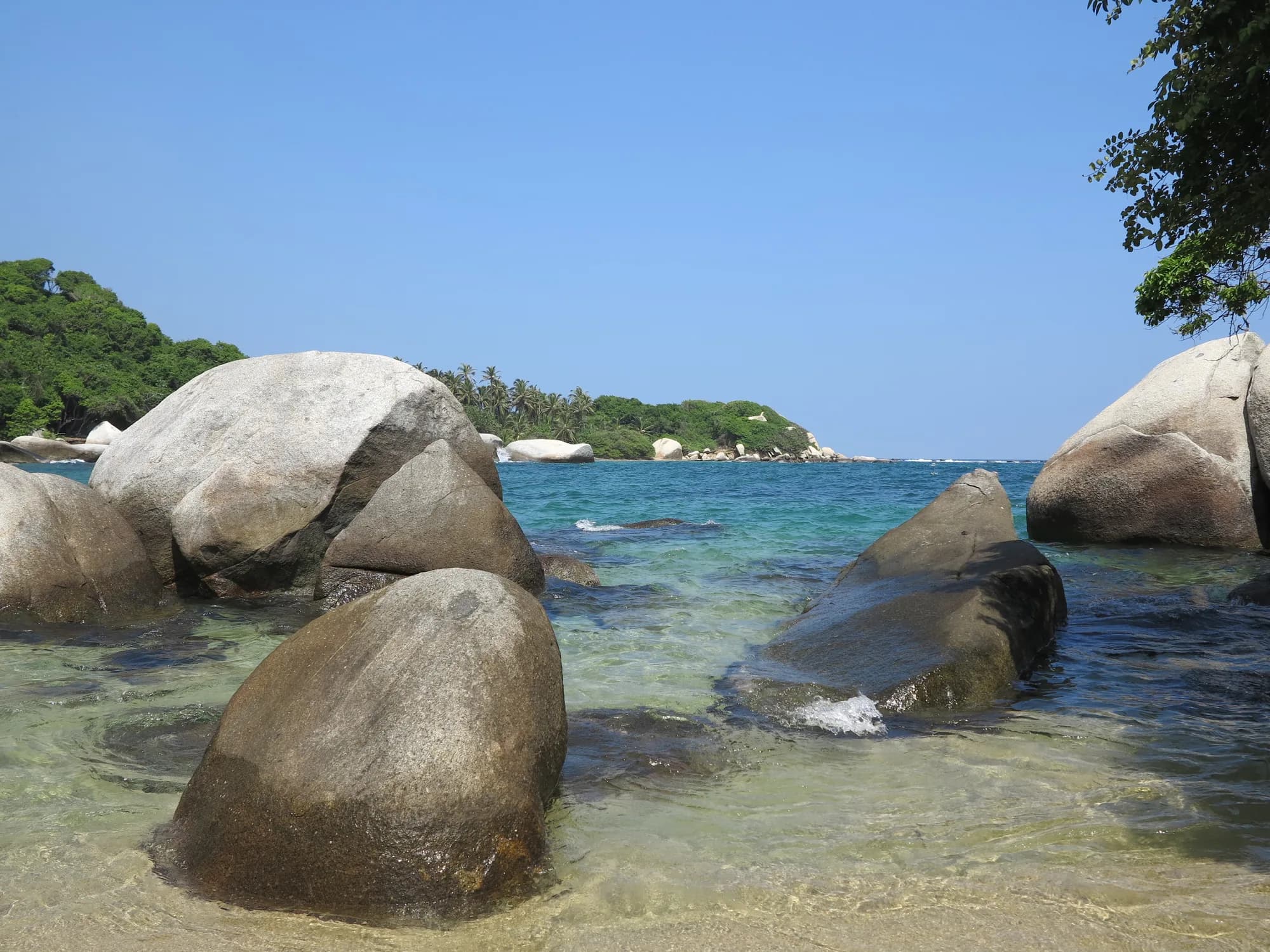
National natural park
White-sand bays between giant boulders and tropical dry forest, where the Sierra Nevada drops straight into the Caribbean.
2 experiences here
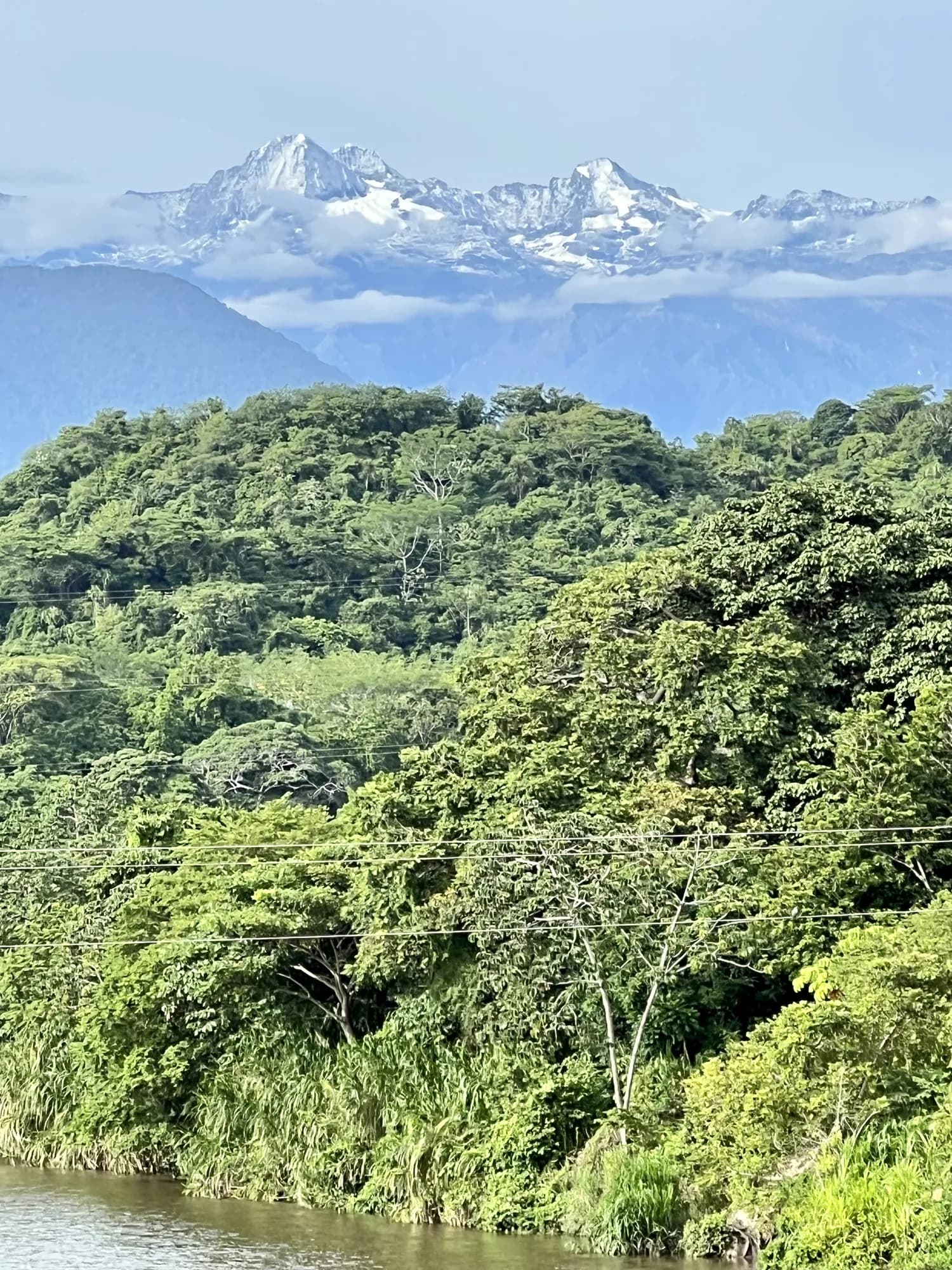
Unesco Biosphere Reserve
The highest coastal mountain on earth: from the beach to 5,775 metres in barely 42 kilometres, and the territory of four indigenous peoples who consider it the heart of the world.
6 experiences here