Responsible travel
How to travel the Colombian Caribbean without leaving a mark
Six concrete practices so your trip through the Sierra Nevada leaves the place as you found it, or better. Not a list of good intentions: it is what we ask on every tour.
· 4 min read
Travelling to the Colombian Caribbean coast is a chance to connect deeply with nature. It is also a chance to damage it. The difference between the two is not the traveller's intentions: it comes down to six or seven concrete decisions made before leaving and along the way.
This is what we ask on every one of our experiences. Not as a rulebook, but because it works and because the people who live here notice.
1. Pack light and biodegradable
Biodegradable toiletries, a reusable water bottle and as little plastic as possible. Sunscreen deserves separate attention: conventional formulas damage the reef, and in several parts of Tayrona Park biodegradable sunscreen is an entry requirement, not a suggestion.
2. Respect wildlife and ecosystems
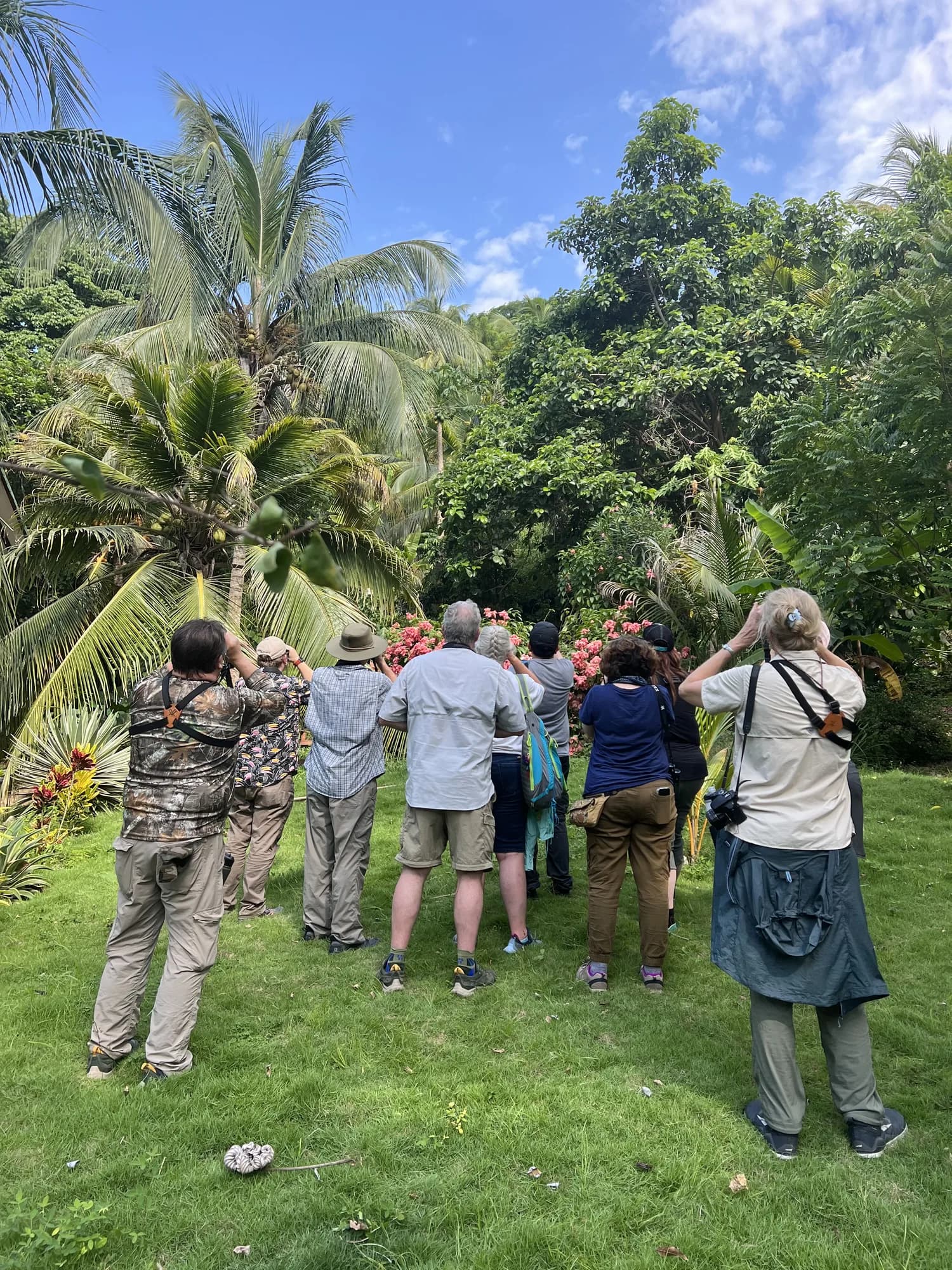
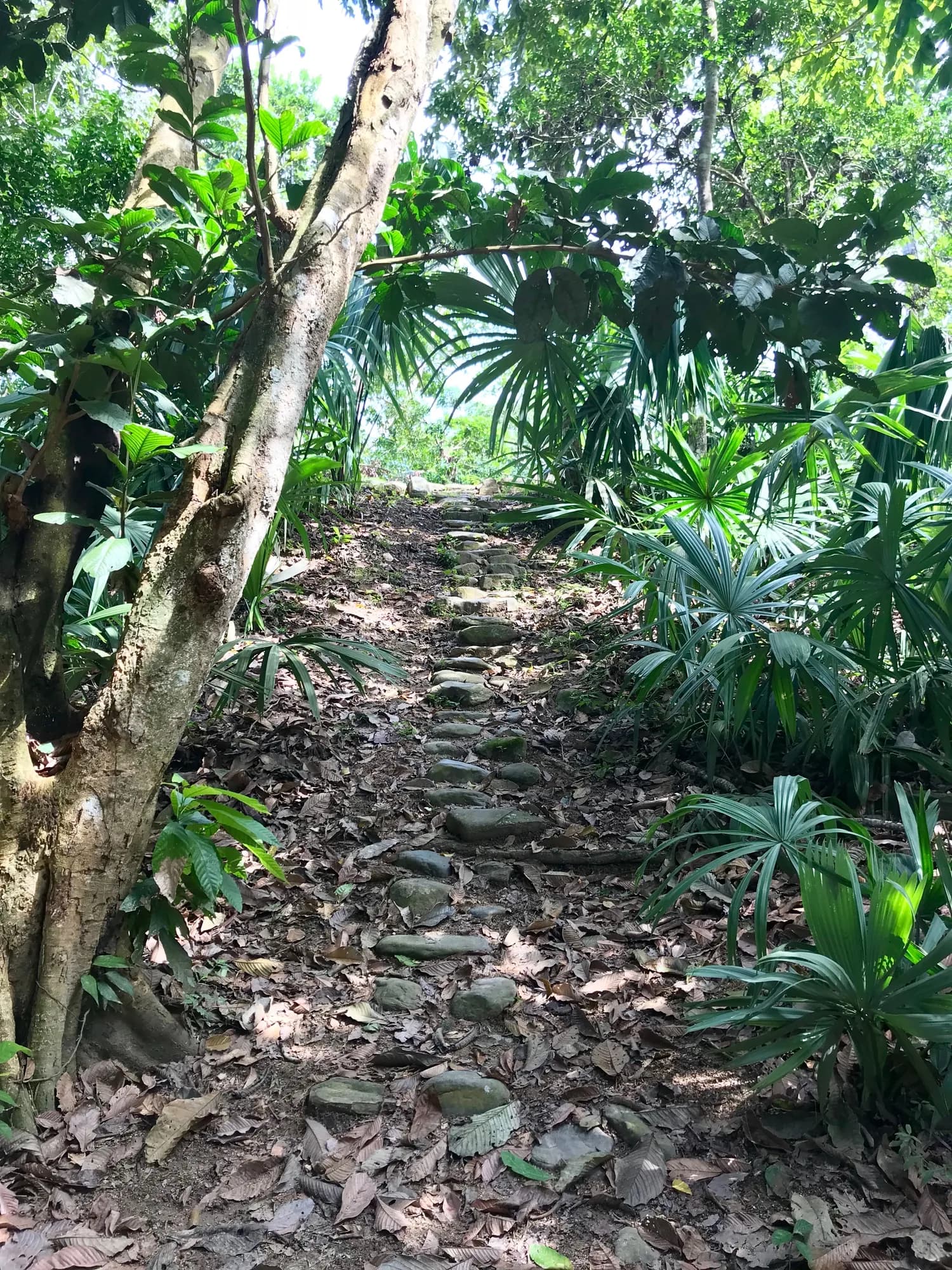
Watch animals from a distance, never feed them, and stay on the marked trails. Feeding a howler monkey or a raccoon makes it dependent and aggressive, and stepping off the trail crushes what took years to grow.
3. Choose activities that sustain the place
Birdwatching, hiking, snorkelling, river trips. And above all, choose operators who put conservation first: ask where the tour money goes and what relationship the operator has with the community whose land you are visiting. A vague answer is already an answer.
4. Eat local and seasonal
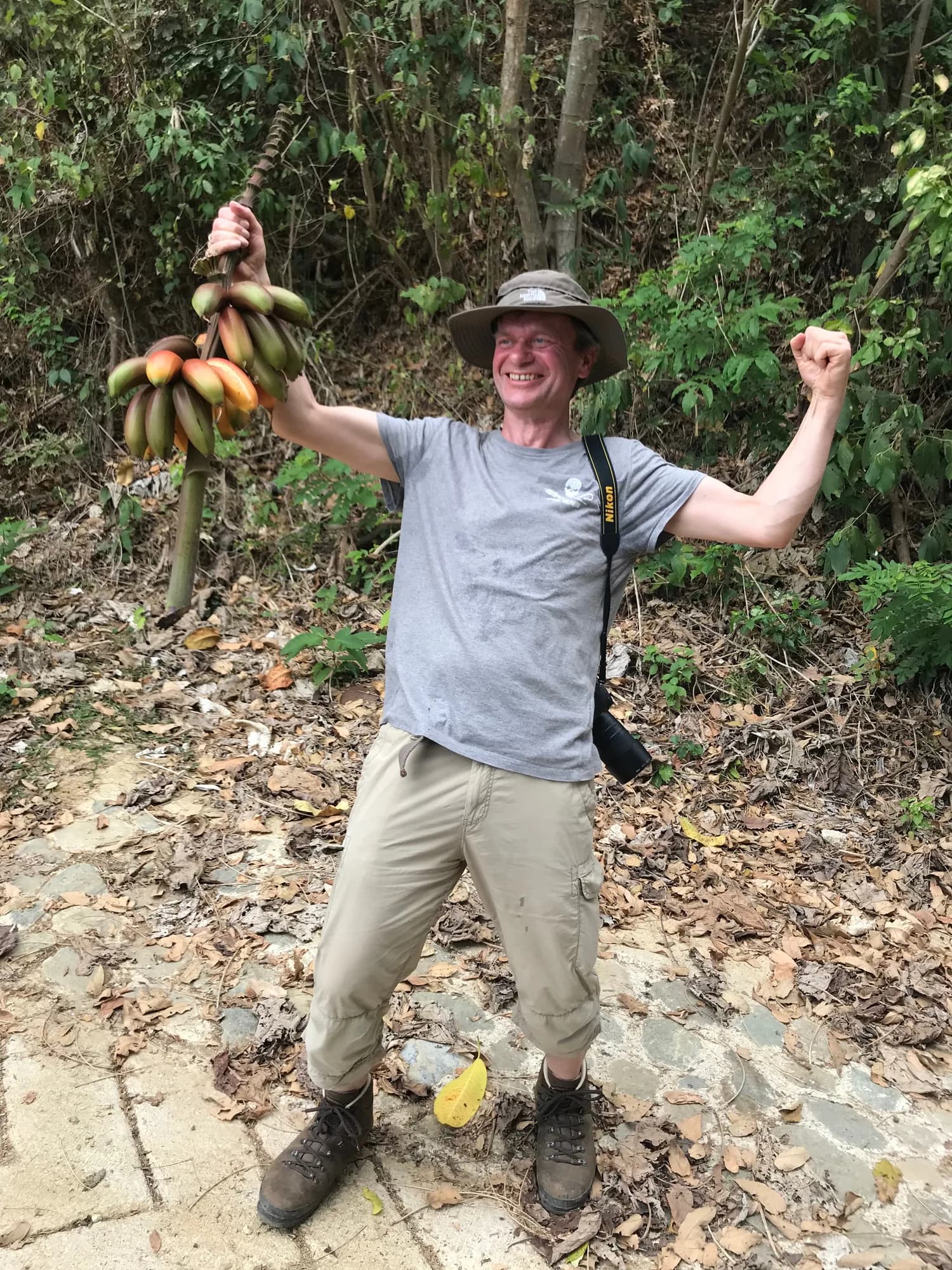
Garden-to-table food, with organic, locally sourced ingredients. It cuts the carbon footprint of the meal and leaves the money in the regional economy instead of in a supply chain that starts a thousand kilometres away.
5. Come in with cultural sensitivity
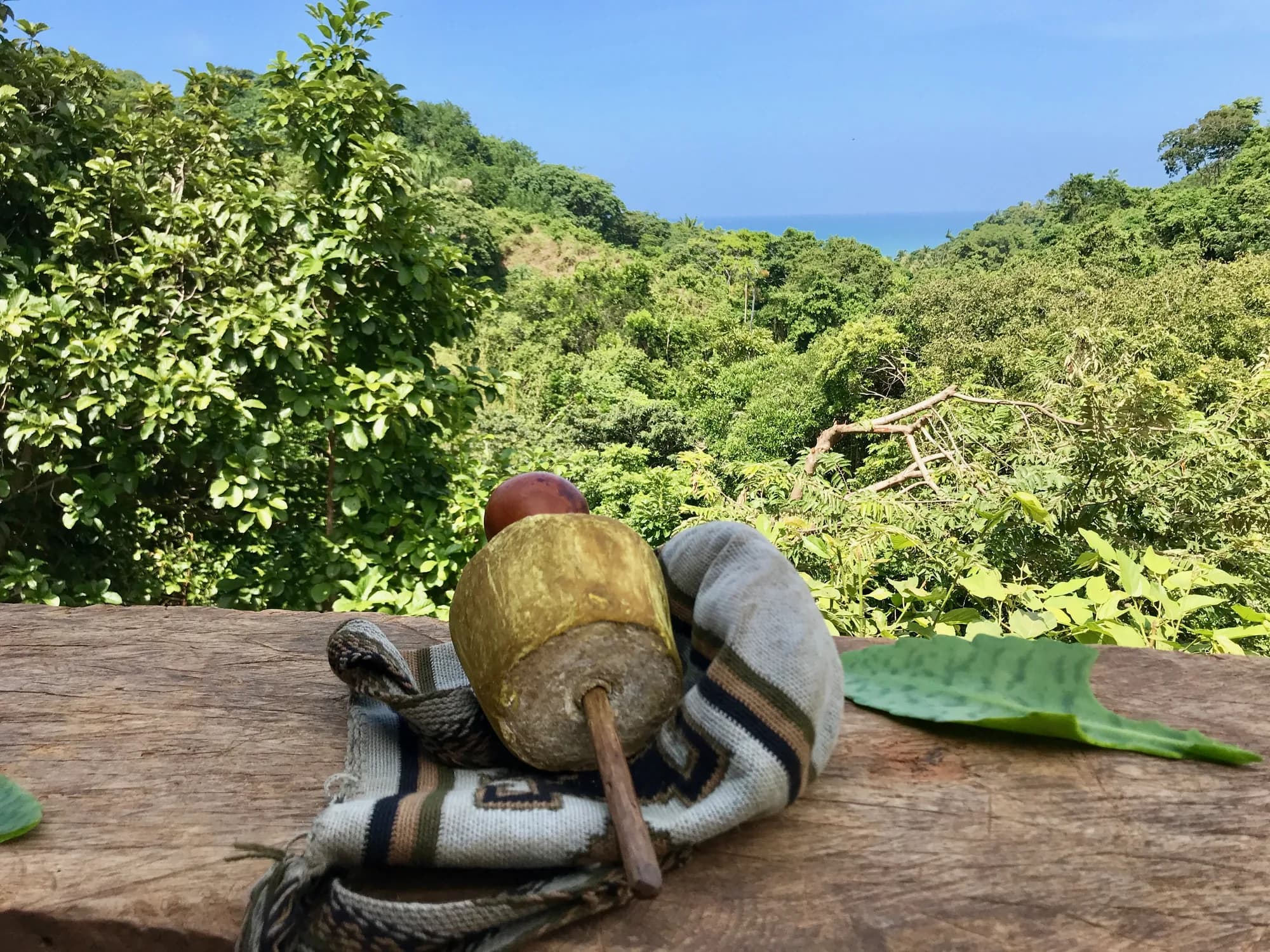
The Sierra Nevada is Kogui, Wiwa, Arhuaco and Kankuamo territory, and La Guajira is Wayuu territory. Learn something of their customs before arriving, ask consent before photographing, and buy crafts directly from the person who made them. A mochila bought from the weaver costs you the same and is worth several times more to her.
6. Take responsibility for your waste
Recycle where you can and carry out whatever has nowhere to go. Several of our walks include litter collection along the way: it is voluntary, takes five minutes, and changes the state of the trail for whoever comes next.
Sustainable tourism sets out to do no harm. Regenerative tourism goes one step further: to leave the destination better than we found it.
As for what to actually put in the bag — clothes, footwear, layers for the shift in climate between beach and mountain — we have a separate list, because that is a different problem and deserves its own article.