Culture
How to visit the Sierra Nevada's indigenous communities with respect
The Kogui, Wiwa, Arhuaco and Kankuamo have cared for this mountain for a thousand years. These are the rules that matter when you enter their territory, written by people who work with them.
· 7 min read
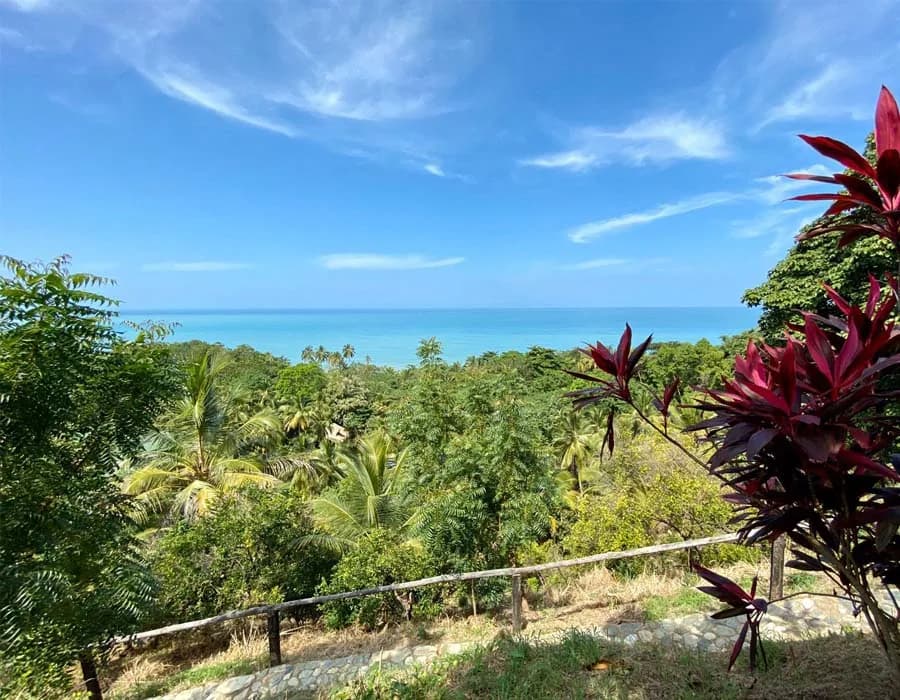
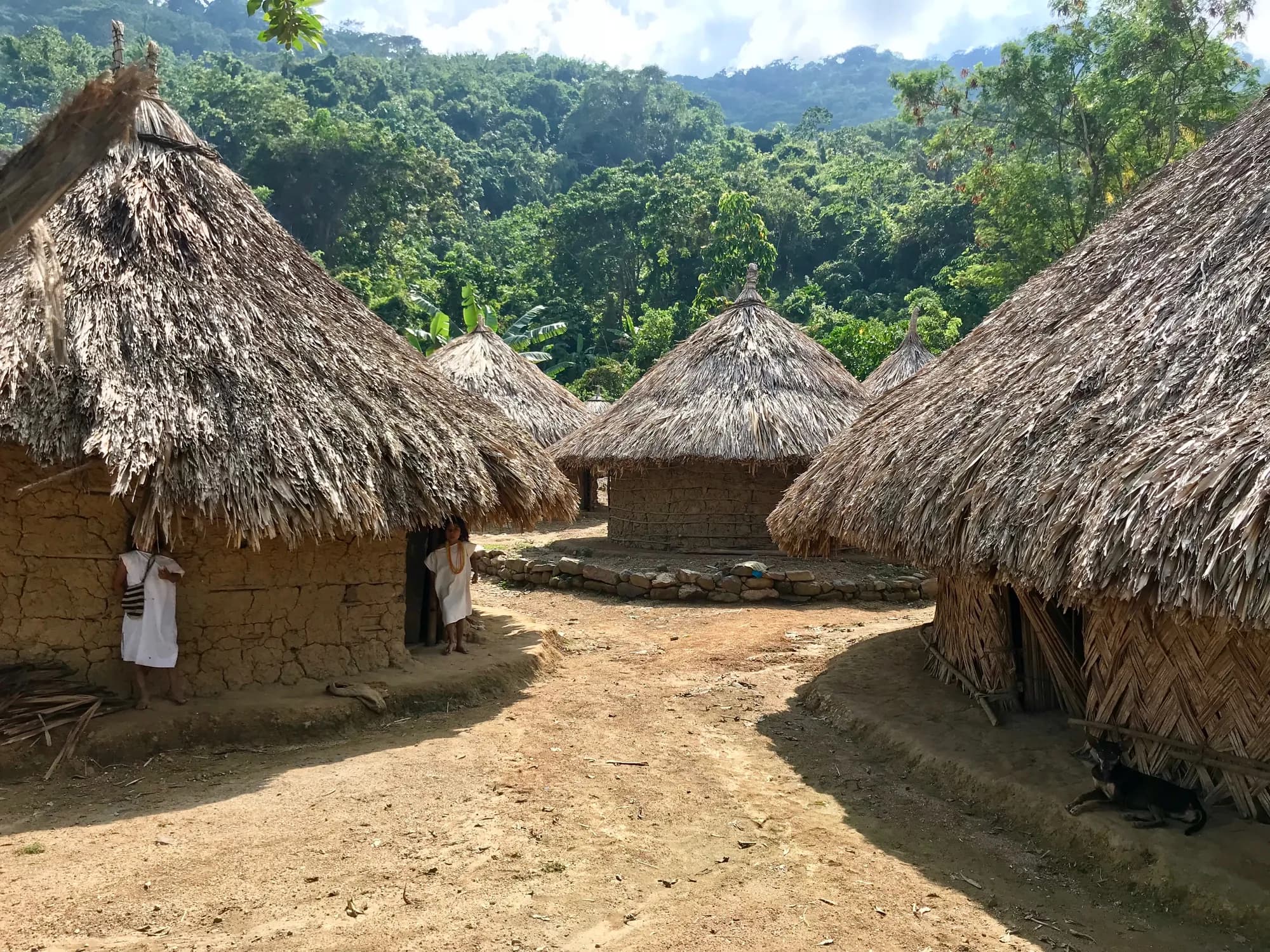
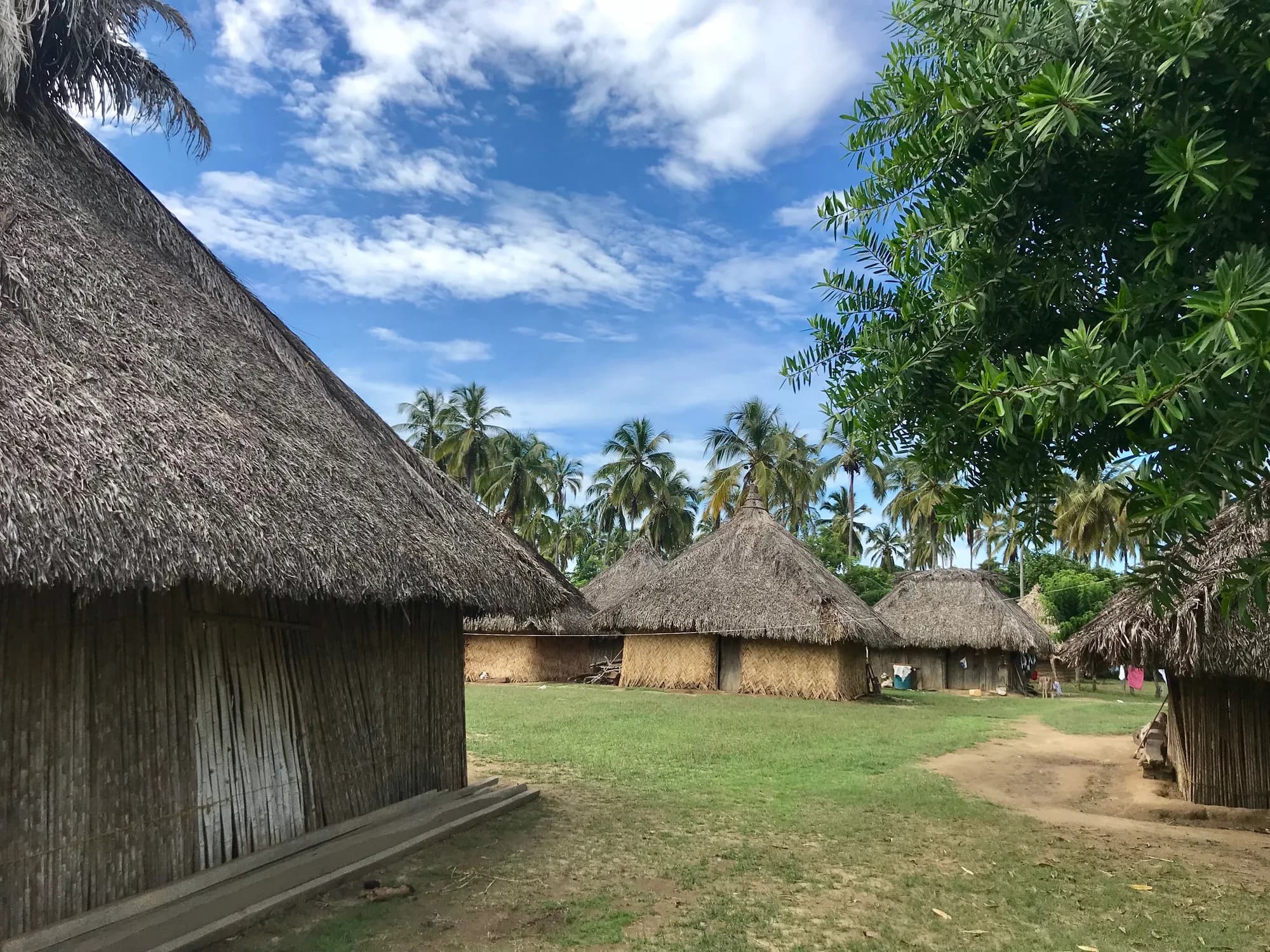
The Sierra Nevada de Santa Marta is not a nature park with people inside: it is ancestral territory continuously inhabited for more than a thousand years by four indigenous peoples, direct descendants of the Tayrona culture. To them the mountain is the heart of the world, and their work as Elder Brothers is to keep it in balance.
That completely changes what visiting them means. You are not entering an attraction: you are entering someone's home. These are the things that genuinely matter.
Ask before photographing
It is rule number one and the one most often broken. Many communities have spiritual reasons, not merely privacy ones, for not wanting to be photographed. Always ask, accept a no without pushing, and never photograph children without an adult's permission. If they say yes, do not turn the visit into a photo shoot.
Go with a guide and permission
You do not turn up at an indigenous village on your own. Access is arranged with the community in advance and there are places you simply do not enter. This is not a commercial formality: it is the condition the communities set for opening their territory, and respecting it is part of the deal.
Understand what a pagamento is
Pagamentos are offerings through which the mamos — the spiritual authorities — return to the earth what has been taken from it. They are not a show or a tourist ceremony. If you are invited to witness or take part in one, that is a considerable gesture of trust. Behave accordingly: silence, no camera, and follow what you are told.
An aseguranza is not a souvenir
An aseguranza is a spiritual protection a mamo prepares specifically for one person. It has meaning and weight within a living belief system. You can ask for one, and many travellers do, but asking for it as a holiday keepsake means you have understood nothing.
One word that opens doors
Anchica. It is the Kogui greeting, and it is enough to break the ice and earn a smile. Learning one word of your host's language says more than any tip.
Buy directly, do not haggle
A handwoven Arhuaco mochila takes weeks, and every figure carries meaning. Buying directly from the person who wove it, with no middleman and no haggling, is the simplest and most direct way for your trip to leave something behind. The price you are given is already the price.
What not to bring
- Alcohol or drugs. In indigenous territory they are out of place, and in several communities expressly forbidden.
- Improvised gifts for the children. If you want to contribute, the contribution is coordinated with the community and in what they asked for: food supplies, tools, kitchen utensils, thread.
- Beach clothes. You are going to the mountains and to someone's home: shirt, trousers and closed shoes.
- Litter left on the path. What comes in with you, leaves with you.
None of this is complicated. It boils down to something simple: enter as you would enter the home of someone you respect and have something to learn from. That is exactly what is happening.