Nature · Culture · Community
Los Flamencos Sanctuary and Wayuu ranchería
Pink flamingos from a dugout canoe and a day with a Wayuu family at their ranchería.
Full dayDifficulty: Easy
Ask for rates
Flora and fauna sanctuary
Coastal lagoons where Colombia's pink flamingos gather, explored by Wayuu dugout canoe, at the gateway to La Guajira.
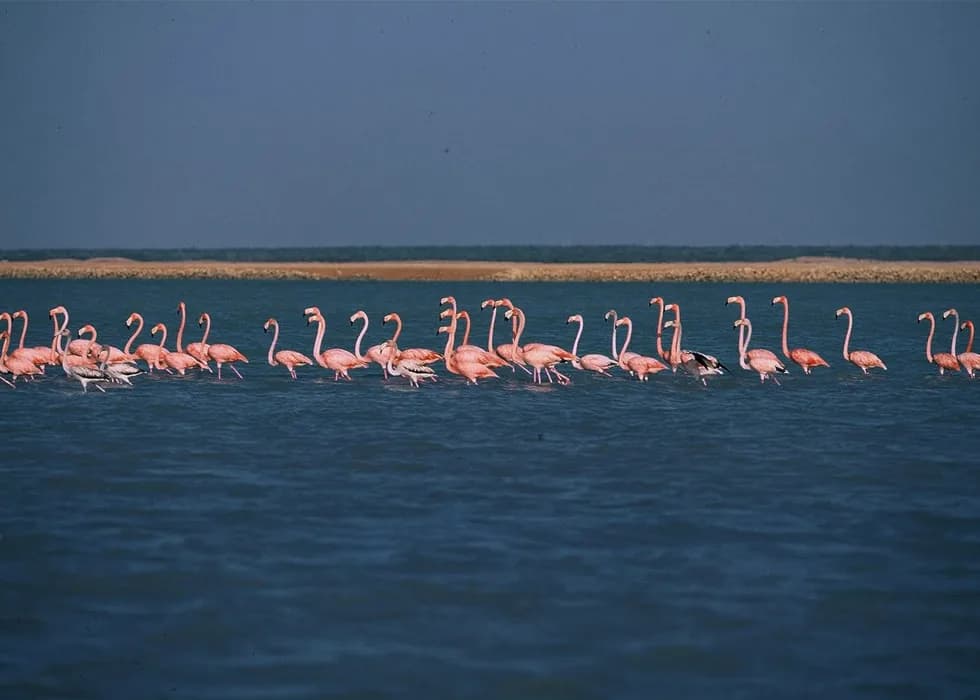
The Los Flamencos Flora and Fauna Sanctuary, beside the village of Camarones, is where Colombia's pink flamingos concentrate. These are shallow coastal lagoons separated from the sea by sand bars, where in season you can see gatherings of hundreds and even thousands of birds on the water.
The tour is made by cayuco, the traditional Wayuu wooden boat, punted through shallow water. That way of moving — slow, silent — is exactly what lets you get close to the birds without scaring them off.
Besides the flamingos there are turtles, deer, migratory birds and a variety of wildlife that makes the sanctuary a serious destination for watchers. It is also your first contact with the Guajiro landscape: the vegetation changes, cactus appear and the air turns dry.
The visit is always combined with a Wayuu ranchería, where there is genuine cultural exchange: the Yonna dance, traditional food, the mantas and face painting, and an explanation of a way of life woven between fishing and herding in a desert that meets the sea.
In season you can watch very large gatherings on the lagoons, from the cayuco or from the shore. Their pink colour comes from what they eat: the crustaceans of these brackish waters.
Silent navigation in the traditional Wayuu wooden boat, punted along. It is the only way into the shining lagoons without disturbing the birds.
Time with a Wayuu family in their own space: the Yonna dance, a taste of traditional food, a crafts display, and the face painting and mantas that are part of their visual identity.
No. Numbers vary with rainfall, water levels and migration cycles. There are times of enormous gatherings and times with very few birds. Even when there are not many, the cayuco trip, the turtles, the deer and the visit to the Wayuu ranchería hold up the experience on their own.
Yes, and it is the logical combination: Camarones is on the way to Riohacha, which is where trips to Cabo de la Vela and Punta Gallinas begin. Many travellers do the sanctuary as a stop before heading into the desert.
Nature · Culture · Community
Pink flamingos from a dugout canoe and a day with a Wayuu family at their ranchería.
La Jorará Eco Hotel · Sierra Nevada de Santa Marta
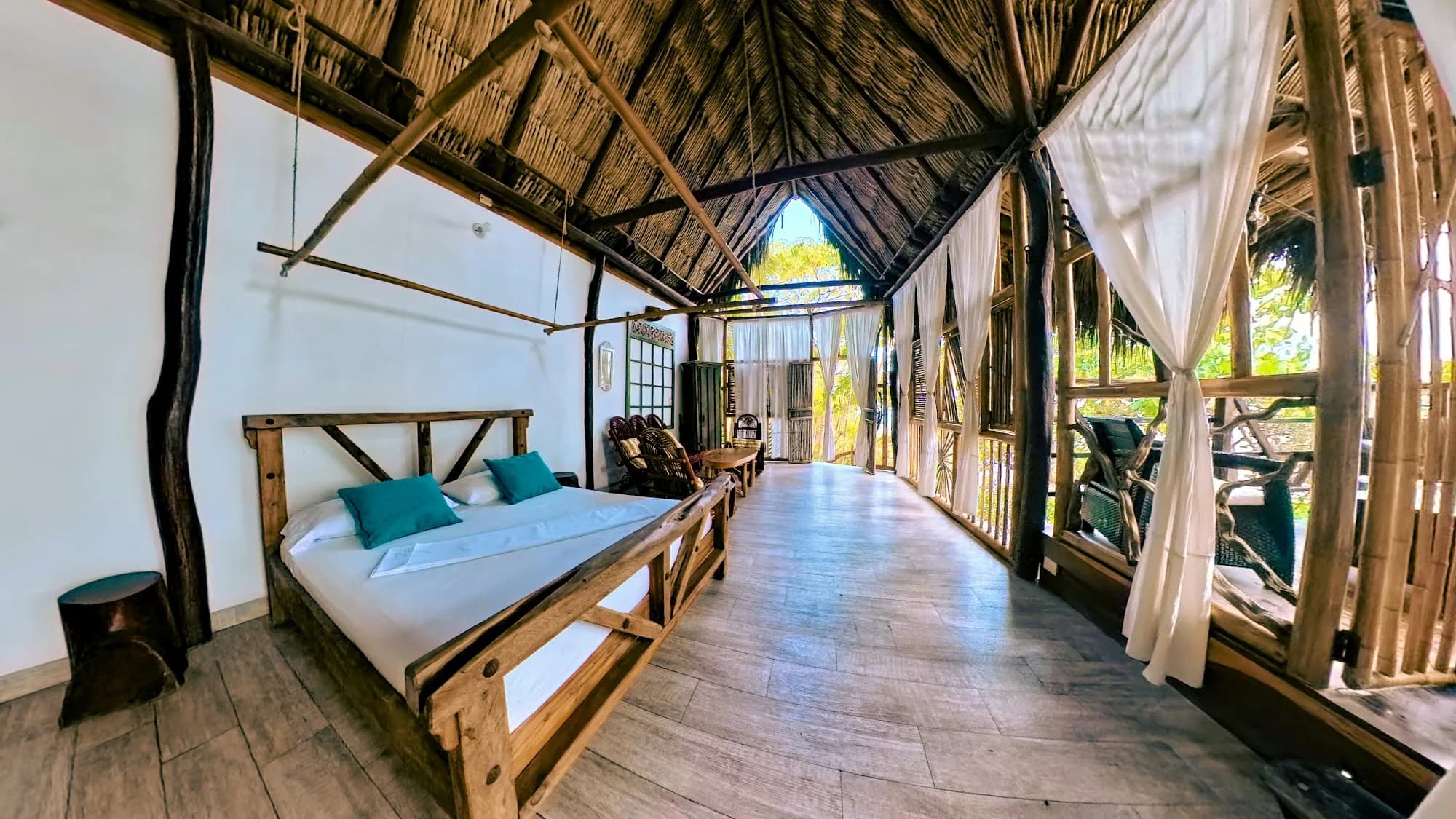
A cabin facing the Caribbean, with the sound of the sea in front and the Sierra Nevada behind.
La Jorará Eco Hotel · Sierra Nevada de Santa Marta
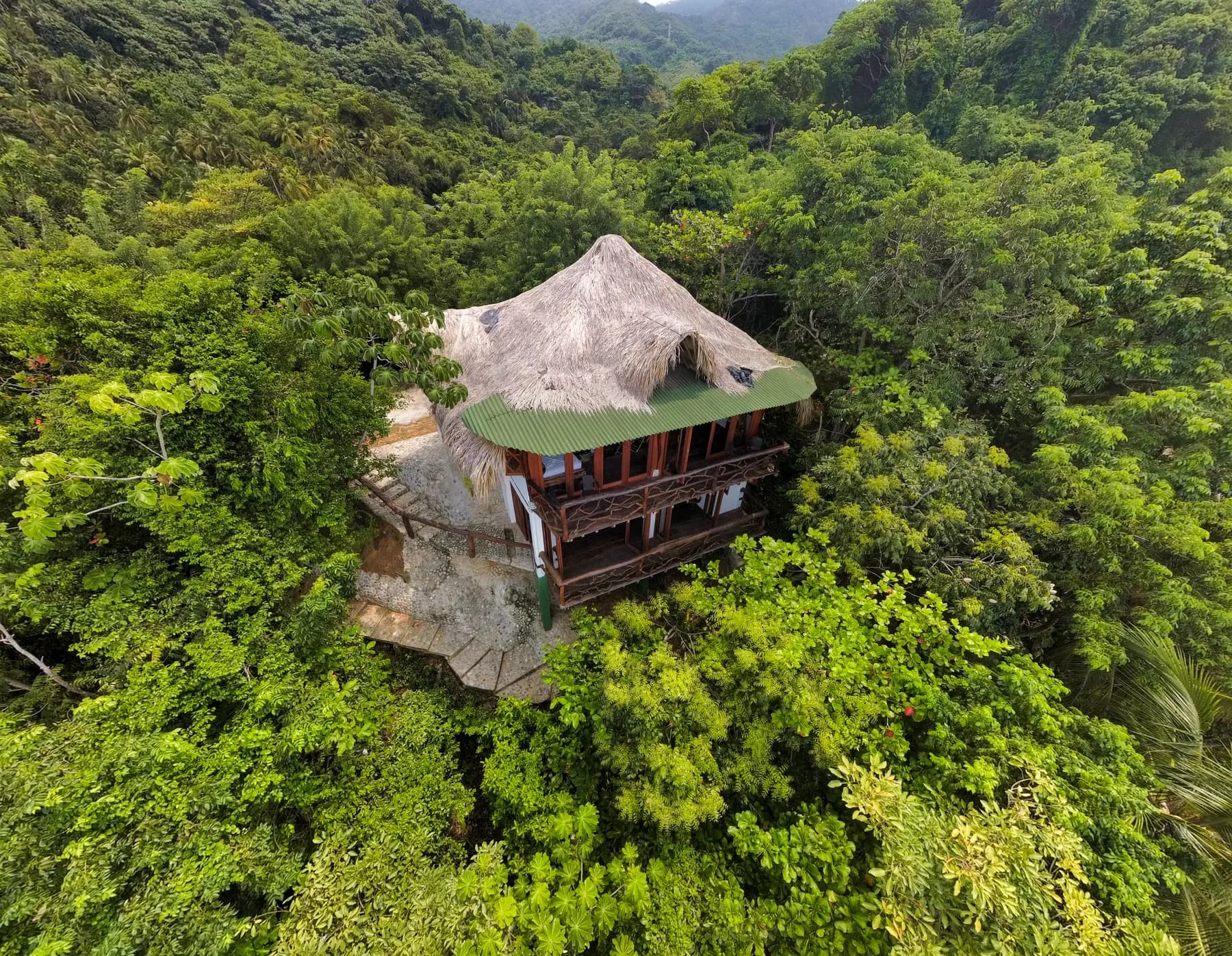
High on the headland, looking out over the Caribbean and the Sierra Nevada rainforest at once.
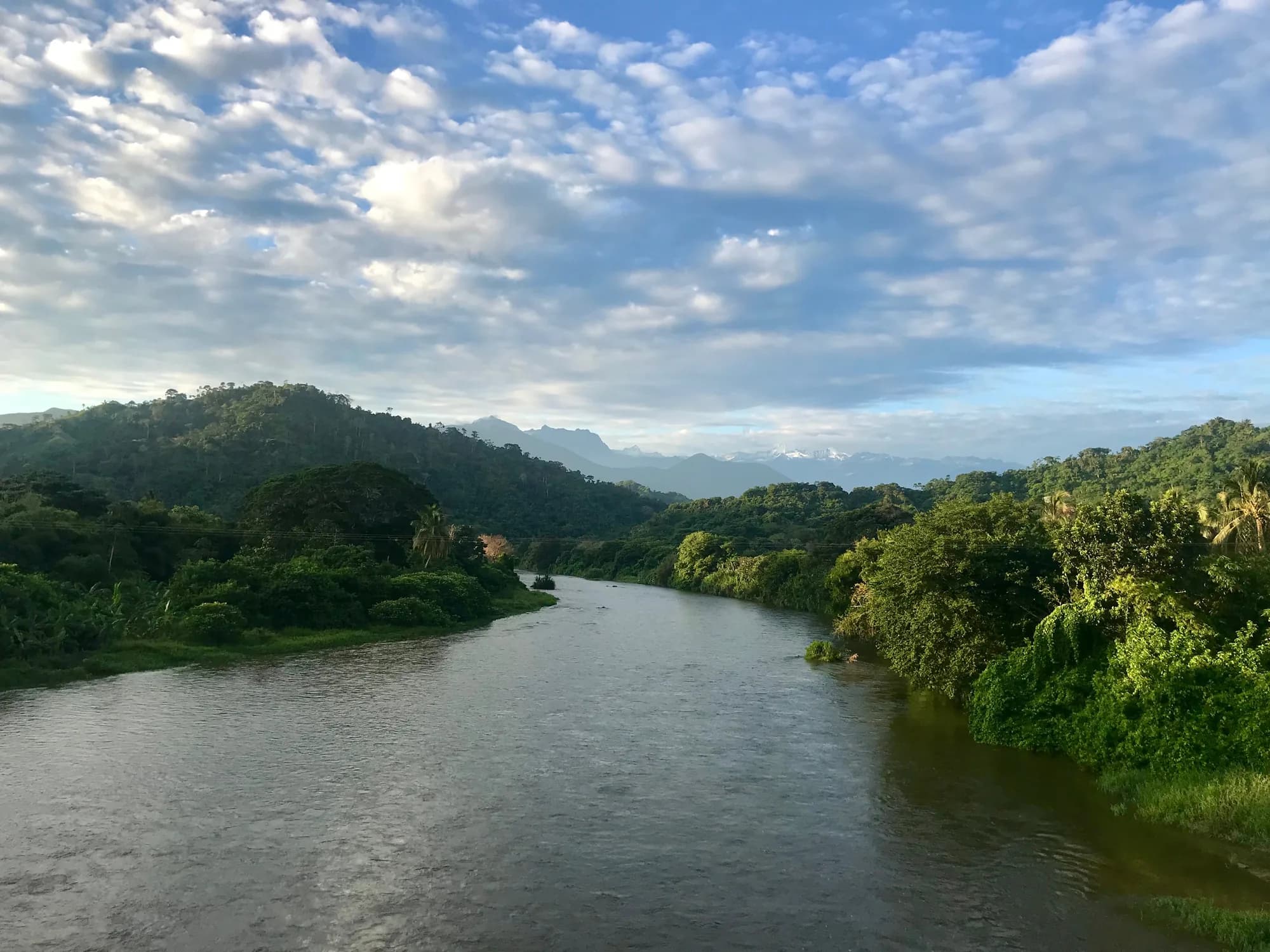
Beach and river town
Where the Sierra Nevada reaches the sea to the east: a long beach, a cold river off the glacier and the gateway to Kogui territory.
3 experiences here
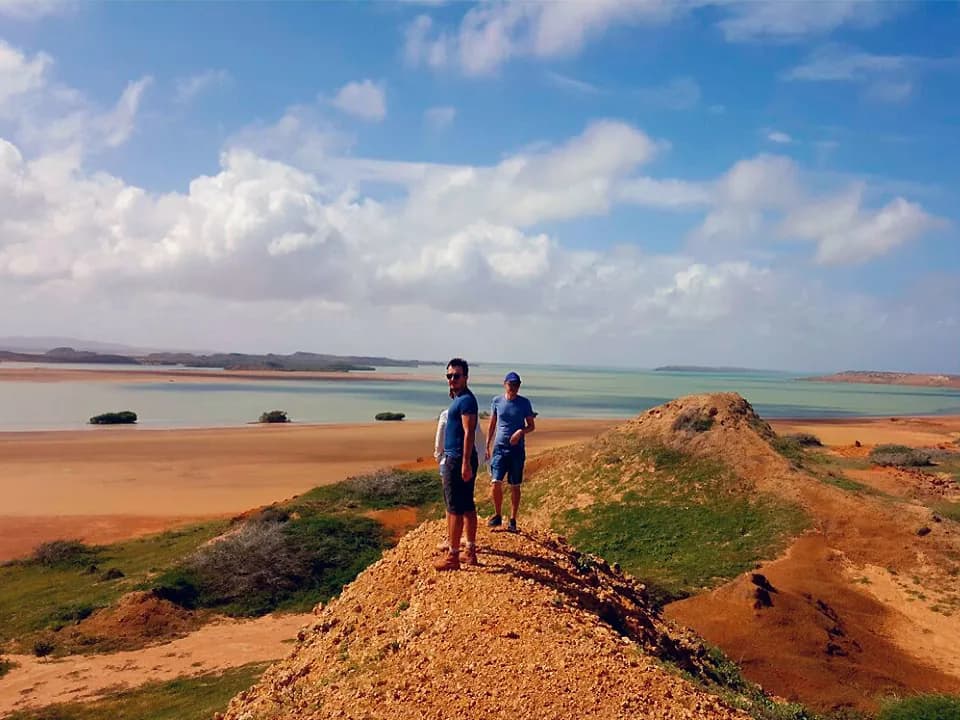
The northern tip of South America
Desert ending in cliffs above the Caribbean, dunes that fall onto the beach, and Wayuu territory, at the northernmost point of the continent.
2 experiences here
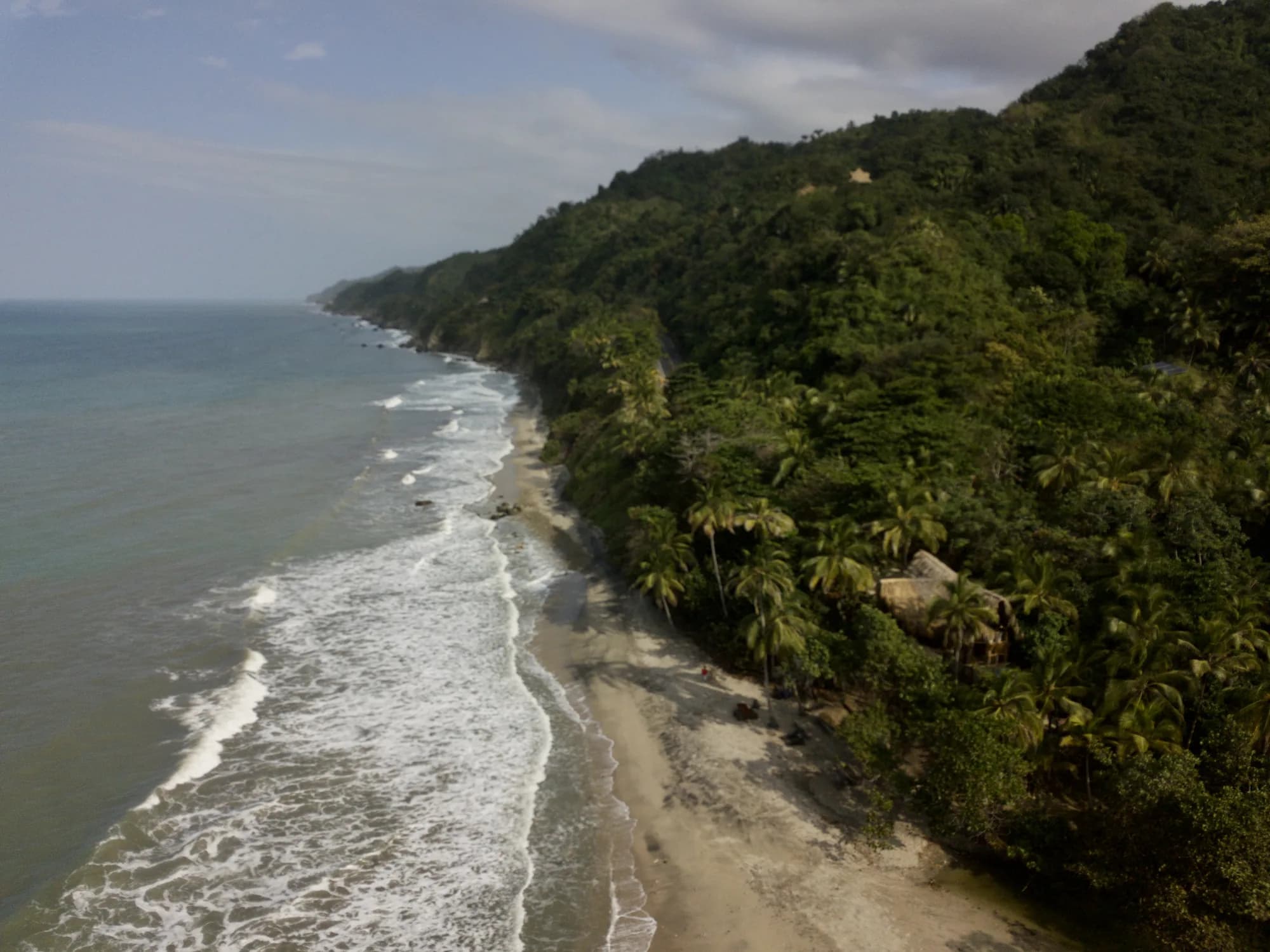
Our home
Km 62.5 on the Santa Marta – Palomino road: a private beach, a natural mountain-water pool and a fruit plantation, between Tayrona Park and Palomino.
7 experiences here